







Search Results for: cupping roast
A Comprehensive Analysis of Coffee Cupping Methods: Flavor Evaluation Differences Between the Brazilian Method, SCAA, and Front Street Coffee's Pour-Over Cupping
Cupping is a core method used in the coffee industry to objectively evaluate coffee flavor and quality, and it is also an important part of barista training. This article systematically reviews the significance and operational logic of cupping, and compares in detail three approaches: the Brazilian cupping method, the SCAA standard cupping method, and the pour-over cupping method recommended by Front Street Coffee. The article points out that Brazilian cupping focuses on identifying defects and is a negative evaluation; SCAA cupping emphasizes positive assessment of aroma and flavor; while the cupping method used by Front Street Coffee simulates daily brewing equipment and is closer to actual cafe output. The three methods each have different emphases in roast level, extraction method, and evaluation items, and understanding these differences helps roasters and coffee professionals judge coffee quality more accurately. [more…]
Coffee Roasting Practical Insights: How Cupping Became a Core Skill and Essential Course for Roasting Coffee
Want to learn coffee roasting? Why is the first step not touching a roasting pan but practicing cupping? Starting from the apprenticeship experience of a seasoned roaster, this article sorts out the key role of cupping in green bean purchasing, roasting curve setting, and flavor judgment, while reviewing the shifts in China's roasting market over more than two decades and how the concept of specialty coffee has slowly seeped into consumers' awareness. The article also weaves in the philosophy of consistent output and real data on customer cultivation, and includes product recommendations from Front Street Coffee, making it suitable reading for every enthusiast who takes coffee beans seriously. [more…]
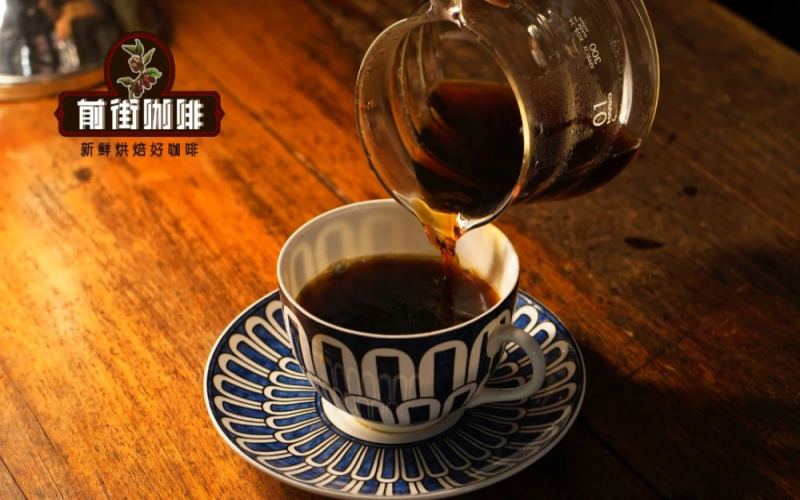
How Many Cups of Black Coffee Can You Drink in a Day | Is the Caffeine Content of Dark Roast Coffee Beans High? Recommended Specialty Hand-Ground Coffee Beans with Cocoa and Dark Chocolate Flavors
Friends who often drink coffee know that the acidity and bitterness of coffee are related to the degree of roasting. Recently, a friend asked Front Street what delicious dark-roast coffee beans they would recommend. Front Street would first like everyone to understand what degree of roasting means, and then see how to choose the coffee that suits them. What is the degree of roasting? According to Front Street Coffee [more…]

Want a full-bodied cup? Which roast level should you choose for your coffee beans?
The body of coffee comes both from the bean's origin and variety and is also closely related to the roast level. With a lighter roast, the bean's acidity, floral and fruity notes, and refreshing character tend to stand out more; as the roast deepens, nutty, cocoa, caramel, and roasted aromas gradually take center stage, and the cup feels more grounded on the palate. If you want to pick a coffee that drinks with weight [more…]

Standard Latte Coffee Recipe and Extraction Parameters Explained: What Cup Size to Use for Different Roast Levels
Latte coffee is the classic fusion of espresso and milk, yet the cup sizes produced by different cafés often vary noticeably. Starting from the framework of Italian coffee culture, this article systematically sorts out the logic behind latte cup size choices, and, combined with the flavor characteristics of three types of espresso beans—medium roast, medium-dark roast, and dark roast—provides specific recommendations for coffee dose, espresso yield, milk ratio, and cup size respectively. It also explains the finer points of dine-in latte cup types, as well as the complete parameter schemes for making lattes with three beans—Front Street Strawberry Candy, Queen's Estate, and the commercial blend—to help you find the optimal balance between coffee and milk. [more…]

The roasting balance for washed beans determines how this cup should be enjoyed
Washed coffee beans often have a clearer sweet-and-sour profile and a clean finish, while the roast level determines how these characteristics present themselves. Light roasts more easily preserve the aroma of origin, medium roasts push sweetness and body to the forefront, and dark roasts let caramel, cocoa, and roasted notes take center stage. When choosing, look at the roast label first, then [more…]
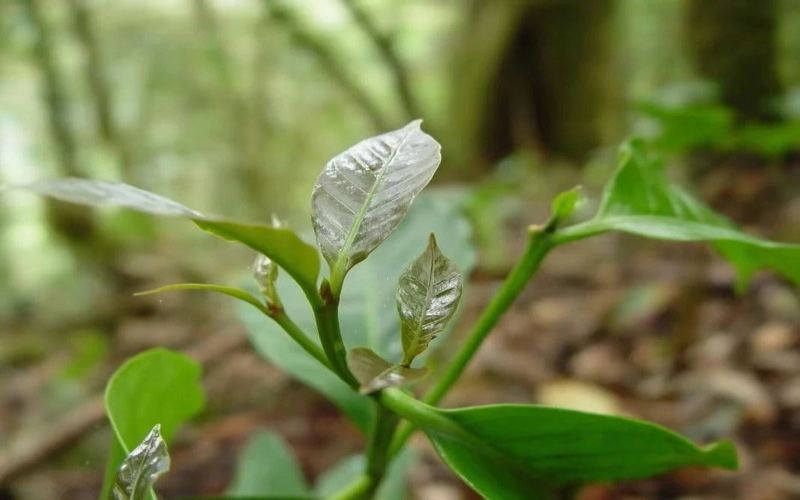
Light Roast Pour-Over Bean Recommendations: Cup Differences Across Three Roast Levels
Light-roasted coffee beans are not limited to just one flavor. Slight variations in roasting time and heat will steer the acidity, sweetness, aroma, and body in the cup in different directions. Lighter beans tend to express floral and citrus notes, mid-range light roasts enhance juiciness, and beans approaching a light-medium roast are softer and rounder, suitable for slowly transitioning from fresh flavors. [more…]
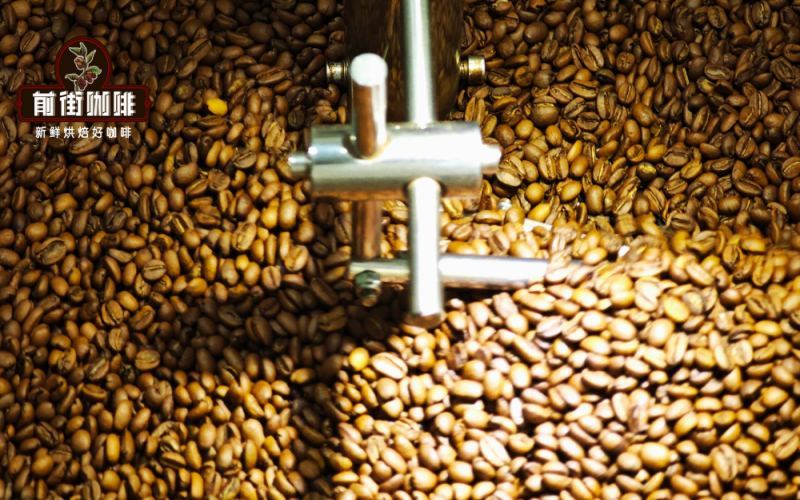
Practical Comparison of Japanese-Style Slow Roasting vs. Nordic-Style Fast Roasting: Roast Curves and Cupping Flavor Differences of Yirgacheffe Worka Red Cherry
The two major schools of coffee roasting—Japanese slow roasting and Nordic fast roasting—reflect fundamentally different philosophies of tasting: the Japanese value a rich, clean mouthfeel, while the Nordics prefer bright, elevated acidity and aroma. This time, Front Street Coffee selected the sun-dried Yirgacheffe Worka Red Cherry and, through two actual roasting curves, compares the differences between slow roasting and fast roasting one by one—from airflow and heat adjustment, the pace of temperature rise, to the appearance of the roasted beans and cupping performance. Slow roasting is like braising pork until tender, letting heat penetrate evenly; it results in a high degree of development, rounded sweetness, and a short resting period. Fast roasting emphasizes the efficiency of hot air and pursues bright floral and fruity aromas, but it demands stricter quality from the green beans. The article also introduces the origin background of the Worka cooperative and the division of labor at the Banko processing station, and, combining green bean grade, appearance consistency, and actual cupping results, sorts out the applicable scenarios and flavor orientations of the two roasting methods for coffee lovers' reference. [more…]
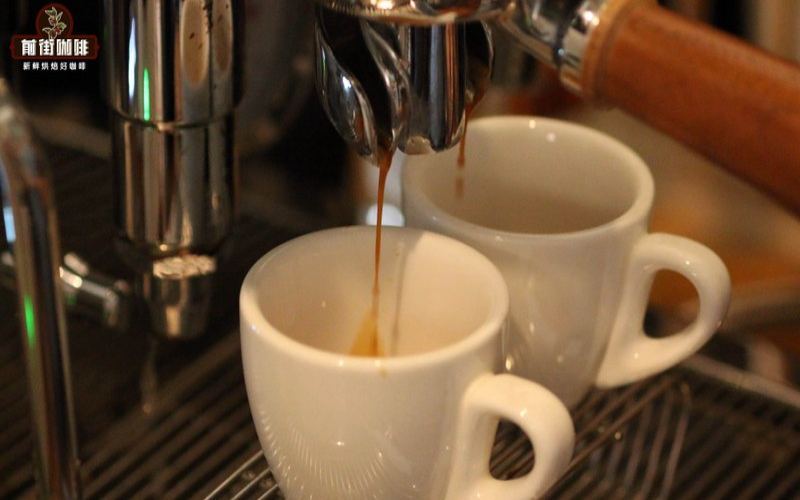
Flavor and Brewing Methods of Moka Pot at Three Roast Levels
Coffee brewed in a moka pot is usually more concentrated and heavier-bodied than pour-over, so the roast level of the beans directly changes the first impression on the palate. A light roast brings bright fruit acidity, a medium roast more easily delivers a sweet, balanced cup, and a dark roast pushes cocoa, nuts, and roasty aromas to the forefront. First decide which kind of cup you enjoy, then choosing beans will be eas [more…]
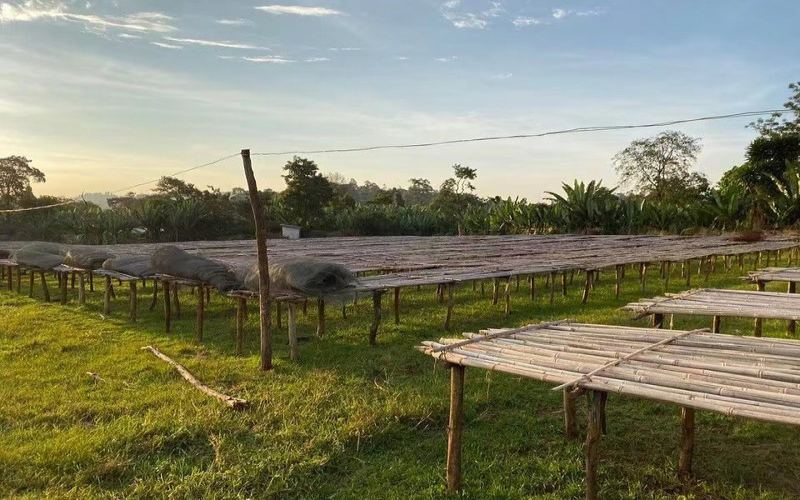
How to Choose Everyday Beans for a Moka Pot: Roast Level Determines the Cup
Coffee brewed in a moka pot is usually more concentrated than filter coffee, with a noticeable weight on the palate. As the roast level of the beans changes, the acidity, sweetness, aroma, and finish in the cup shift accordingly. If you're looking for a daily-drinker staple bean, start by checking the roast direction on the packaging, then decide whether you more often drink your coffee black or [more…]
Analysis of Coffee Roast Levels and Caffeine Content: From Roast Degree to Front Street Coffee Dark Roast Bean Recommendations
The acidity and bitterness of coffee are closely related to the roast level, while caffeine content is influenced by multiple factors such as variety and extraction method. From the perspective of Front Street Coffee, this article systematically reviews the definitions, bean-dropping timing, and flavor characteristics of eight roast levels, and highlights three coffee beans suitable for dark roasting: Golden Mandheling, Colombian Huila, and Queen's Estate Brazil. It also provides an in-depth analysis of the caffeine content range in coffee beans, the actual caffeine values of different brewing methods such as pour-over and espresso, and reference standards for the safe daily intake for adults, helping coffee enthusiasts fully understand the relationship between roasting and caffeine. [more…]
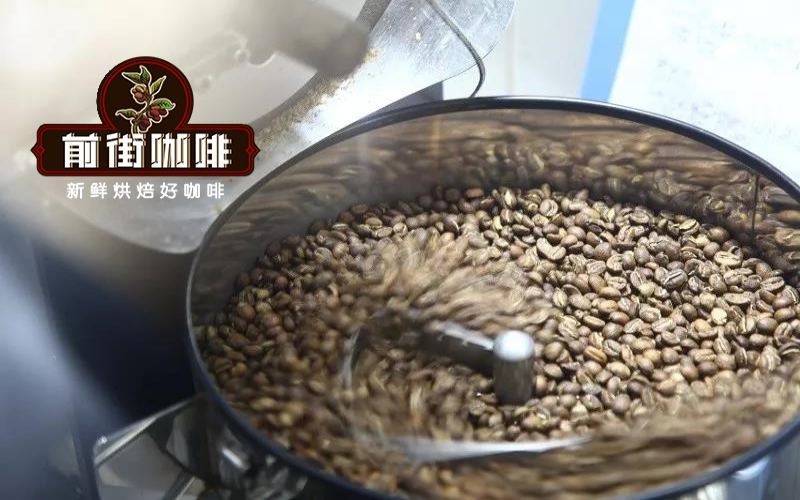
An Analysis of the Flavor Differences Between Light, Medium, and Dark Roasted Coffee Beans: Medium Roast Flavor Characteristics and Bean Selection Strategies for a Cup That Is Neither Sour Nor Bitter
The roast level of coffee beans directly influences the flavor direction in the cup. The darker the roast, the more the acidic compounds are destroyed, and caramel, smoky, and bitter notes gradually take over; the lighter the roast, the easier it is to preserve bright fruit acidity and floral aromas. For coffee lovers who neither like too much acidity nor want to taste bitterness, a medium roast is often the more balanced choice. So what flavor characteristics does medium-roast coffee actually have? And how do you distinguish between medium-light and medium-dark roasts? This article starts from the principles of roasting, combines them with the first crack milestone, sorts out the flavor differences among light, medium, and dark roasts, and offers specific Front Street Coffee bean recommendations to help you find the cup that suits you between acidity and bitterness. [more…]

Light, Medium, and Dark Roasts: How SOE Lands in the Cup
SOE usually refers to espresso made from coffee beans of a single origin or a single batch. It doesn't belong to just one type of drink; what truly affects its performance is whether the beans are roasted light or dark: the lighter the roast, the more readily the aromas unfold toward floral, fruity notes and bright acidity; as the roast deepens, sweetness, body, and cocoa notes gradually take over. [more…]
A Comprehensive Analysis of 26 Classic Coffee Drinks Worldwide: Origins of Names, Recipes, and Step-by-Step Brewing Guides
The world of coffee is far more than a cup of Americano or latte. From Irish whiskey coffee to Mexico's Huastec layered coffee, every specialty coffee drink hides a story of regional culture and history. This article systematically sorts through 26 classic specialty coffee drinks from around the world, covering their names, origins, ingredient ratios, and detailed brewing steps. Whether you are a coffee enthusiast or a barista, you will find a recipe worth trying. The article also retains relevant recommendations from the "Front Street" brand for daily bean selection reference. [more…]
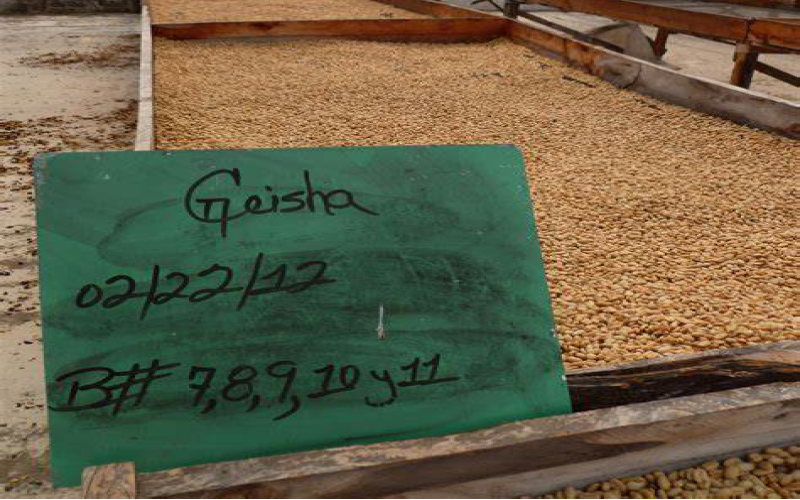
Dark roast beans from roast to cup: drinking at the right time matters more
When dark-roasted beans first leave the roaster, the aroma is often striking, yet the cup may carry a noticeable swelling sensation, and the water flow is not easy to keep stable. The roast date is more useful as a reference than vague descriptions like "freshly roasted." When choosing, confirm the date first, then plan your drinking schedule based on the equipment you intend to use. After roasting, coffee beans will continue [more…]
Light roast, medium roast, dark roast: how do espresso beans differ in the cup?
The roast level of espresso beans directly affects the aroma, sweetness, acidity, and mouthfeel of the espresso. Using the same espresso machine, light-roasted beans may present bright fruity notes, medium-roasted beans are more likely to deliver rounded sweetness, and dark-roasted beans bring cocoa, nutty, and roasted notes. First understand the three approaches, then combine them with the black coffee you usually drink. [more…]
SOE: Choose Dark Roast or Light Roast? Find Beans That Suit Your Taste by Roast Level
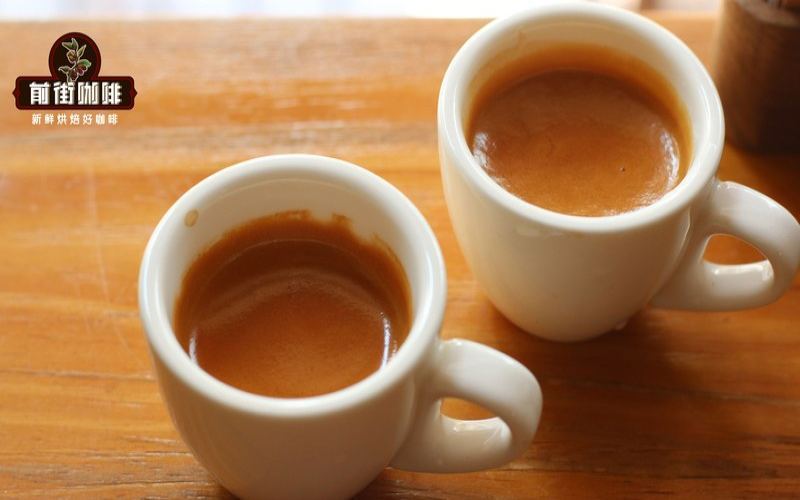
SOE refers to single-origin espresso, where the beans come from a more concentrated source, making the cup's distinctive character easier to taste. Choosing a dark roast or a light roast is essentially deciding whether this cup of coffee leans more toward fruity acidity and floral notes, or toward cocoa, nuts, and a rich, heavy sweetness. If you usually drink straight espresso or add water, the bright aroma of a light roast will be more recognizable; if [more…]
How to Choose Low-Caffeine Hand-Brew Beans: Flavor and Brewing by Roast Level
If you want to reduce your caffeine intake, you can start with the roast level when choosing beans for pour-over, but you can't directly equate light or dark roast with high or low caffeine. Light-roasted beans usually retain more of the aromas of their origin, while dark-roasted beans lean more toward caramel, cocoa, and roasty notes. What truly affects your intake also includes the bean variety, the number of grams used, the cup size, and the extraction efficiency. For example, [more…]
Analysis of the Relationship Between Coffee Bean Roast Level and Fat Loss: Flavor Differences of Light, Medium, and Dark Roasts and Front Street Coffee Bean Selection Recommendations
The roast level of coffee beans not only determines the flavor direction of a cup of coffee, but may also affect its ability to assist with fat loss. From the bright acidity of a light roast to the rich bittersweetness of a dark roast, different roast levels correspond to different expressions of origin and drinking scenarios. Front Street Coffee, with bean sources covering more than 50 producing regions and its own roasting facility, matches each bean with the roasting profile that best showcases its character through repeated cupping and curve adjustments. This article will systematically sort out the flavor characteristics and representative beans of light, medium, and dark roasts, and answer the connection between roast level and fat-loss effects, helping you understand the logic of flavor while finding the cup that suits you. [more…]
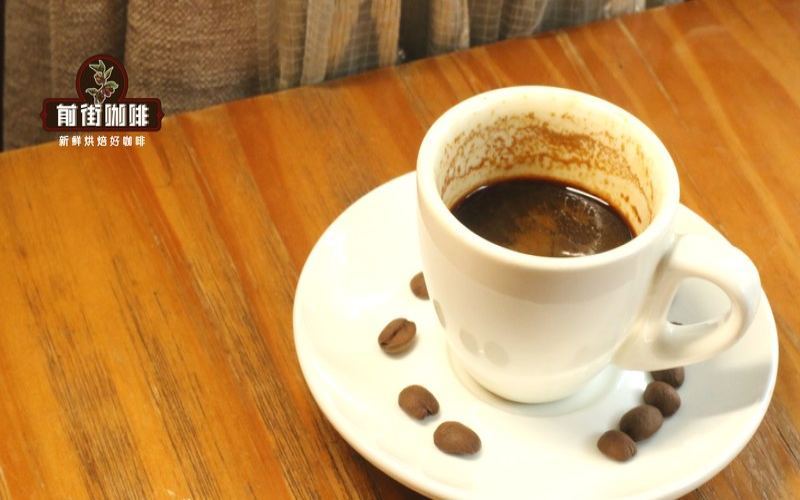
Freshly Roasted Coffee Brand Recommendations: Choose the Right Beans for You by Roast Level
Light-roasted beans often keep the character of their origin and variety in the cup; on the palate you may find citrus, berries, or floral notes, and they drink light and bright, making them suitable for the morning, the afternoon, and moments when you want to focus on the aroma. Medium-roasted beans have steadier sweetness and softer acidity, while dark-roasted beans carry more pronounced roasted, cocoa, and nutty notes. According to the roasting [more…]